English
 KR
KR  IA
IA  JP
JP 
The Association of Obstetricians and Gynaecologists of Malawi (AOGM) had a strong and vibrant presence at the FIGO 2025 World Congress, held in Cape Town, South Africa, from 5–9 October 2025.
Some of our AOGM Members and Associates at FIGO Conference
A total of 22 AOGM members and associate members attended the global congress, with over 12 members presenting their research and professional work. Their contributions highlighted the important role Malawian clinicians and researchers continue to play in advancing women’s health and maternal care.
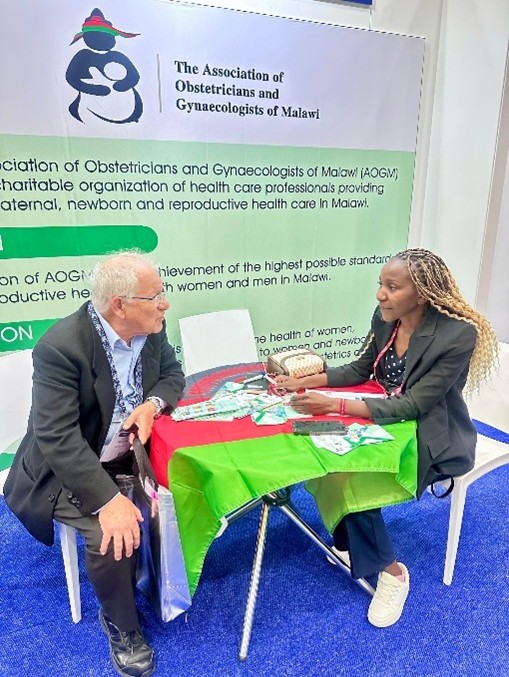
A major highlight of the congress was that AOGM hosted its own booth for the first time in the association’s history. This milestone provided an opportunity to showcase the work of AOGM, connect with international partners, and raise the profile of Malawi’s obstetrics and gynecology community on the global stage.
AOGM members also actively participated in the FIGO Annual General Meeting, contributing to key discussions and voting processes that shape the direction of the global federation. In addition, members of the AOGM Executive Committee attended the African Federation of Obstetrics and Gynaecology (AFOG) leadership meeting, strengthening regional collaboration and partnerships.
The congress marked an important step in expanding AOGM’s international engagement and visibility. The association looks forward to building on this momentum and increasing participation at the next FIGO World Congress in Montreal, Canada, in 2027.
Types of Preventive Care
Primary Prevention
Secondary Prevention
Tertiary Prevention
Check out some of the pictures below from the FIGO Conference



Reduces Healthcare Costs
Chronic diseases like diabetes and heart conditions are long-term and costly to manage..
Improves Quality of Life
Detecting diseases early often allows for faster treatment and improved health outcomes.
Boosts Community Health
When more people in a community engage in preventive care, public health improves.
Common Preventive Healthcare Services
Annual physical exams
Blood pressure and cholesterol checks
Cancer screenings (mammograms, colonoscopies, pap smears)
Vaccinations (flu, COVID-19, HPV)
Mental health assessments
Lifestyle counseling (nutrition, smoking cessation, weight loss)
Tips to Integrate Preventive Care Into Your Routine
Don’t wait for symptoms—see your healthcare provider annually.
Vaccinations are a safe and effective way to prevent serious illnesses.
Eat balanced meals, exercise regularly, and manage stress effectively.
Share this with your doctor to assess your risk for hereditary conditions.