English
 KR
KR  IA
IA  JP
JP 
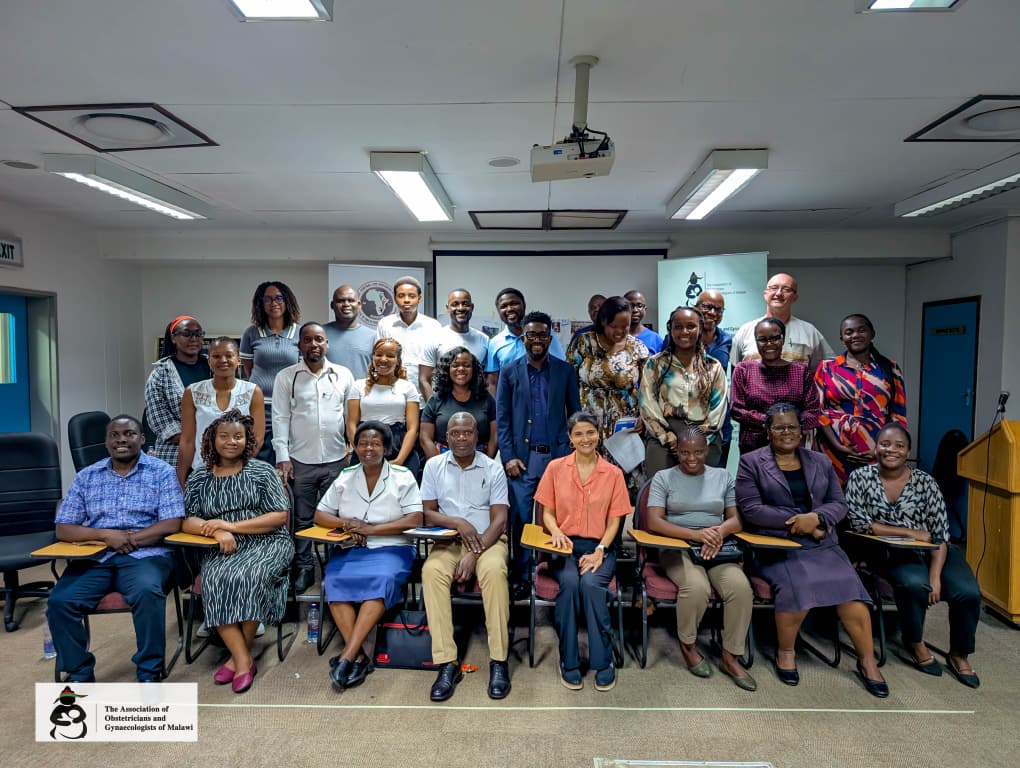
The Ministry of Health (MOH), in collaboration with Pact through the ACHIEVE Malawi Project and PRONTO International, successfully conducted a Life-Saving Emergency Obstetric and Neonatal Simulation Training from 20th to 24th April 2026. The initiative marked an important step in strengthening the capacity of frontline healthcare providers to manage critical maternal and newborn emergencies across Malawi.
A central feature of this training was the active involvement of the Association of Obstetricians and Gynaecologists of Malawi (AOGM), which participated as a high-level technical observer. AOGM’s engagement reflects its continued commitment to advancing clinical excellence, supporting evidence-based practice, and contributing to national efforts aimed at reducing maternal and neonatal mortality.
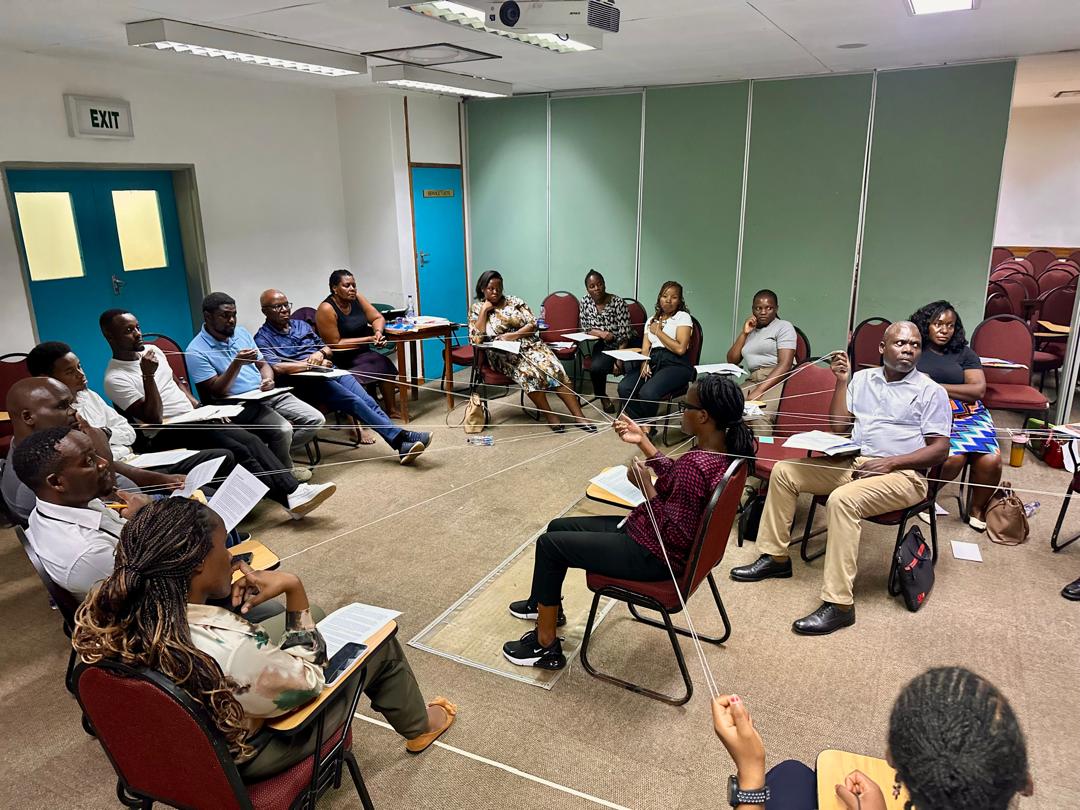
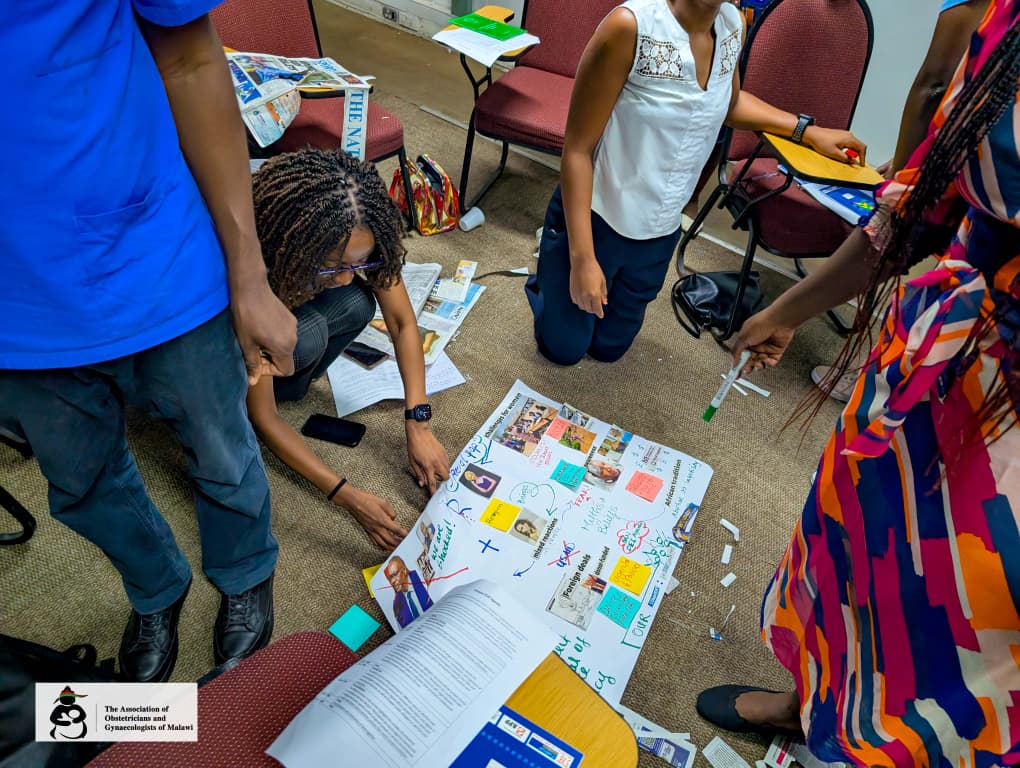
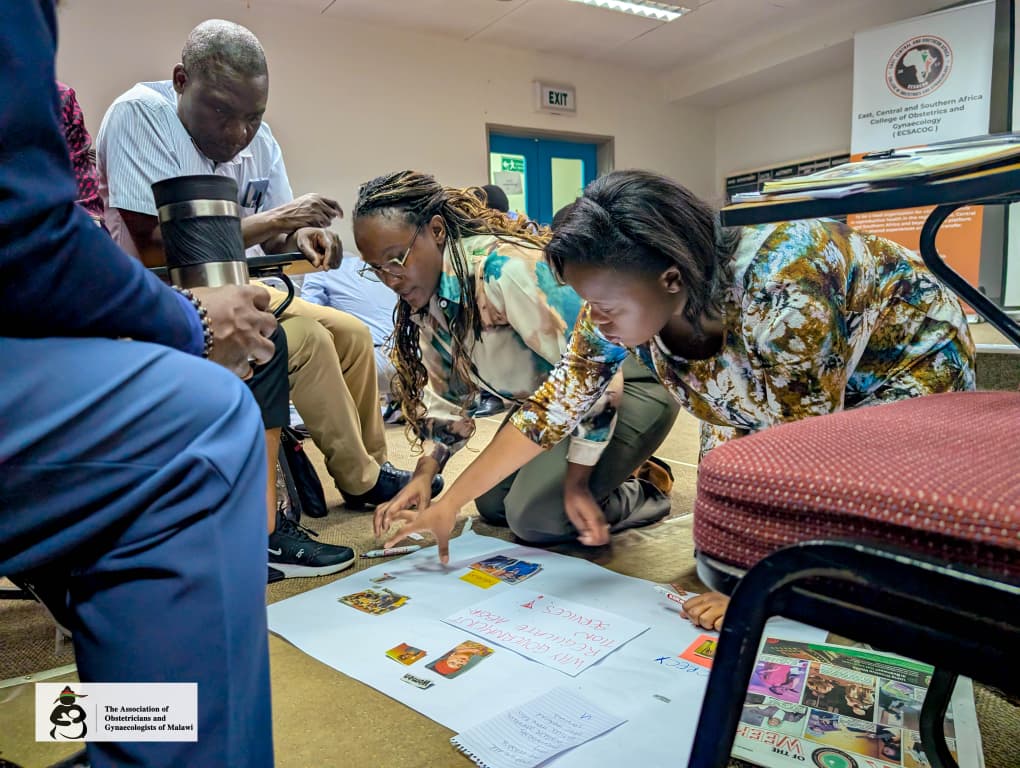
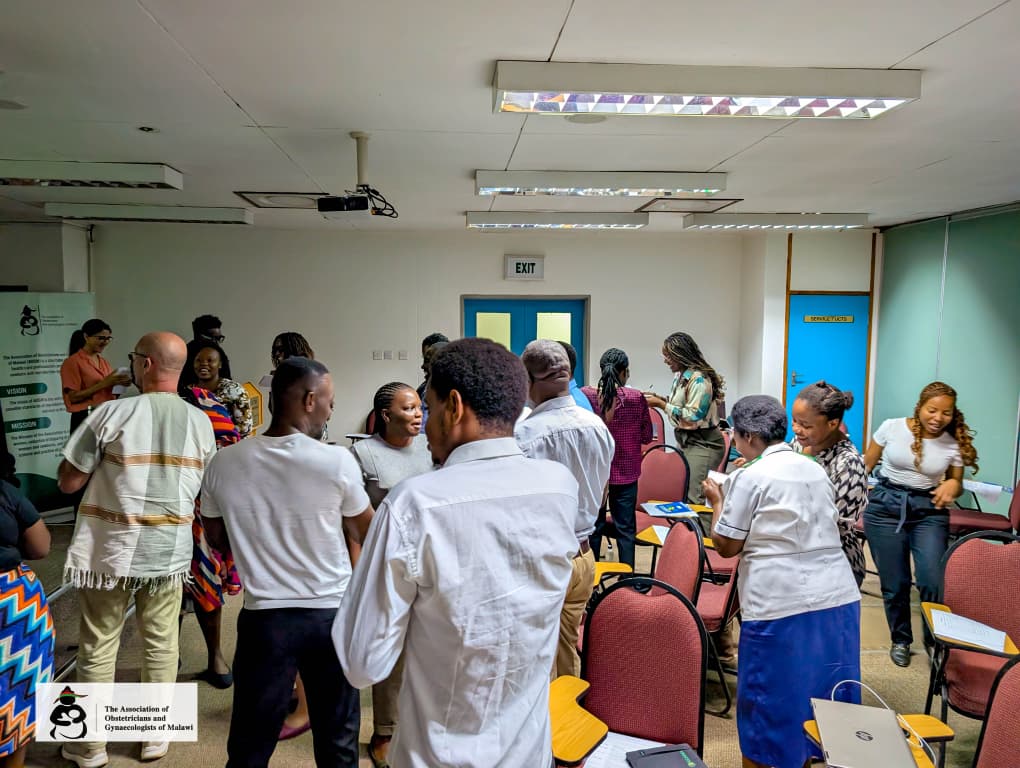
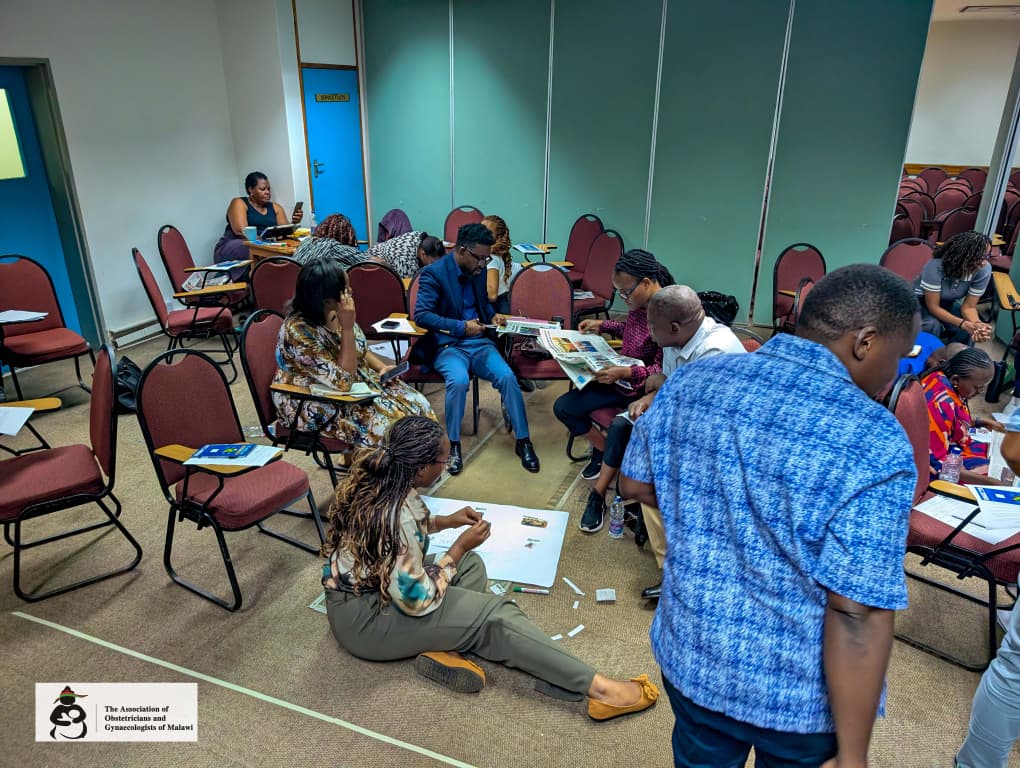
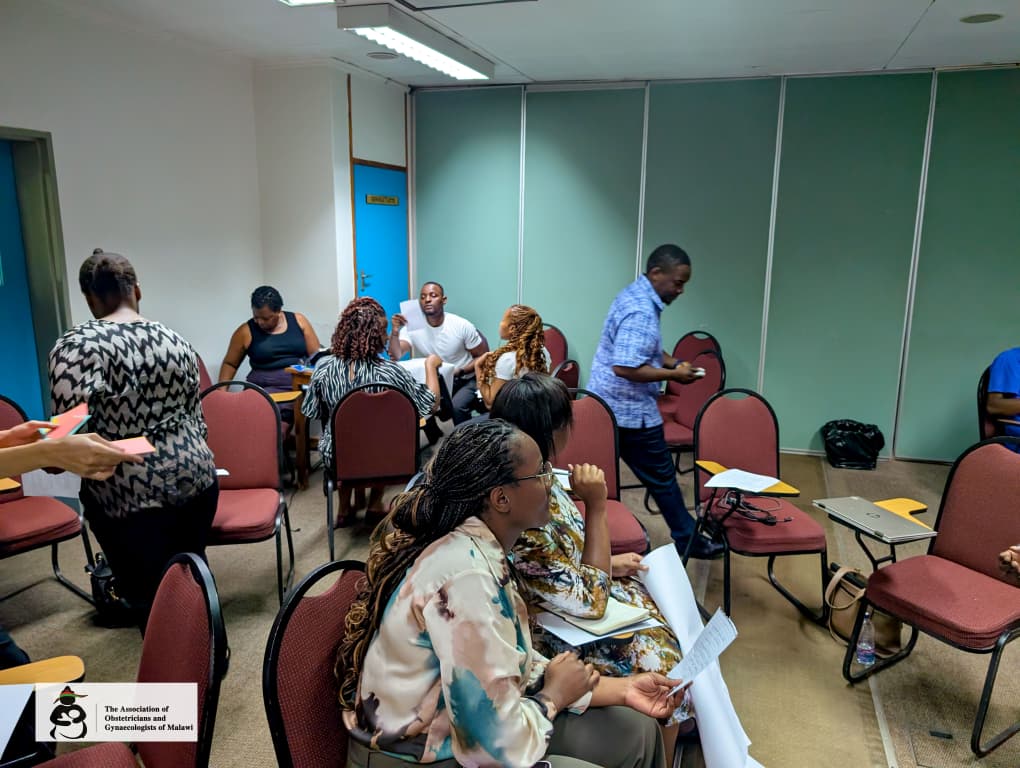
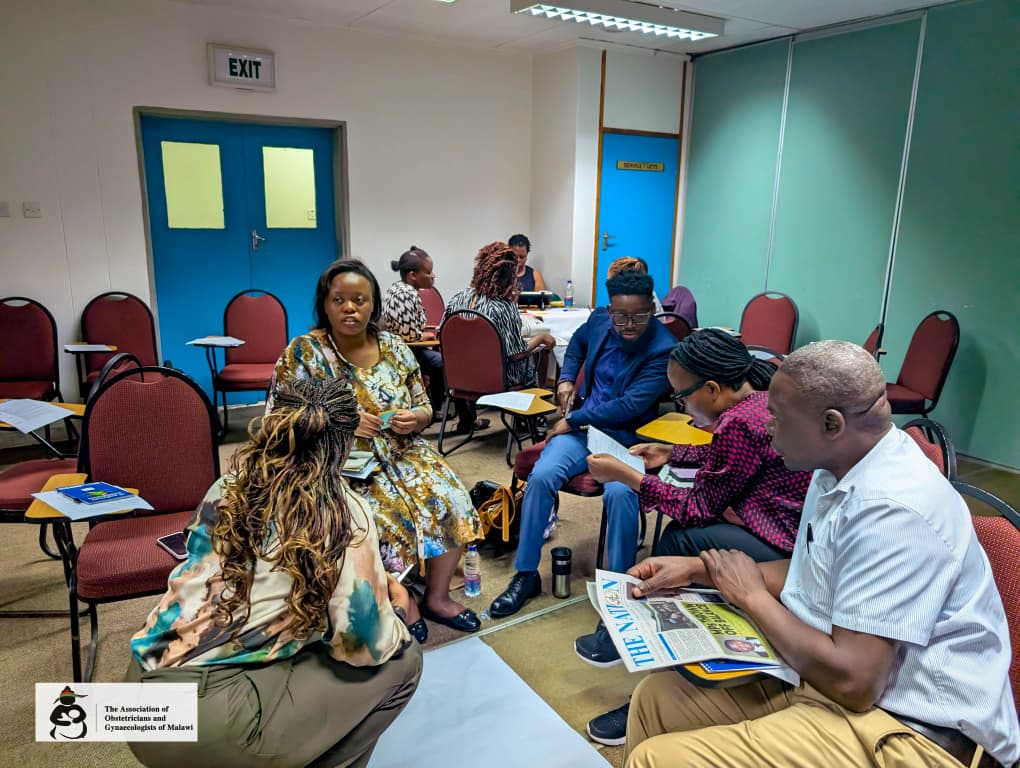
Dr. Pempho Nyangulu (center) participating in a team building activity.
The training focused on enhancing provider competencies in the management of life-threatening conditions such as postpartum hemorrhage, eclampsia, and neonatal asphyxia—key contributors to adverse maternal and newborn outcomes. Through a simulation-based, team-oriented learning approach, participants were exposed to realistic clinical scenarios that strengthened both technical skills and critical non-technical competencies, including teamwork, communication, and rapid decision-making.
In its observer role, AOGM played a strategic part in ensuring the quality and clinical relevance of the training. Dr. Pempho Nyangulu , AOGM representative provided expert insights, supported quality assurance processes, and contributed to discussions on how best to align the training with national clinical standards and guidelines. This involvement positions AOGM as a key stakeholder in shaping the future of simulation-based training and its integration into routine capacity-building efforts in Malawi.
A participant demonstrates neonatal resuscitation skills using a neonatal simulator during the training session.
The Ministry also engaged other professional and academic institutions, including the Association of Malawian Midwives and Kamuzu University of Health Sciences (KUHES), to strengthen multidisciplinary collaboration and ensure a comprehensive approach to maternal and newborn care.
Participants were drawn from Karonga, Balaka, Zomba, and Thyolo districts, creating an opportunity for shared learning and exchange of experiences across diverse healthcare settings. The training yielded positive outcomes, with participants demonstrating notable improvement in managing emergency scenarios during simulations.
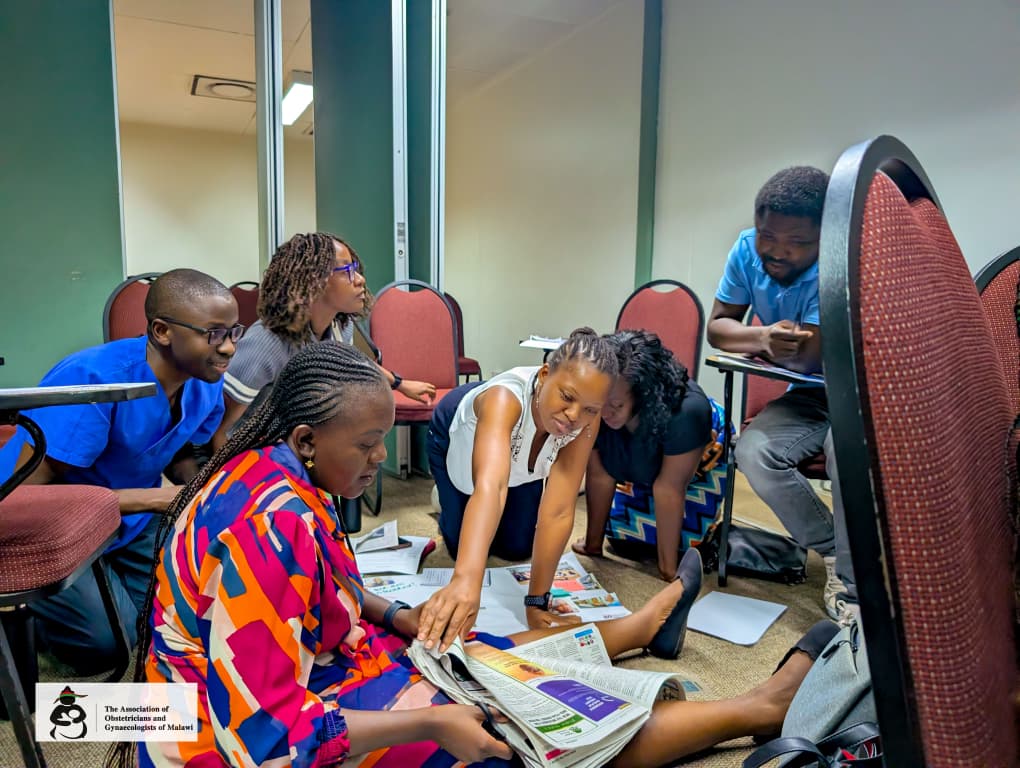
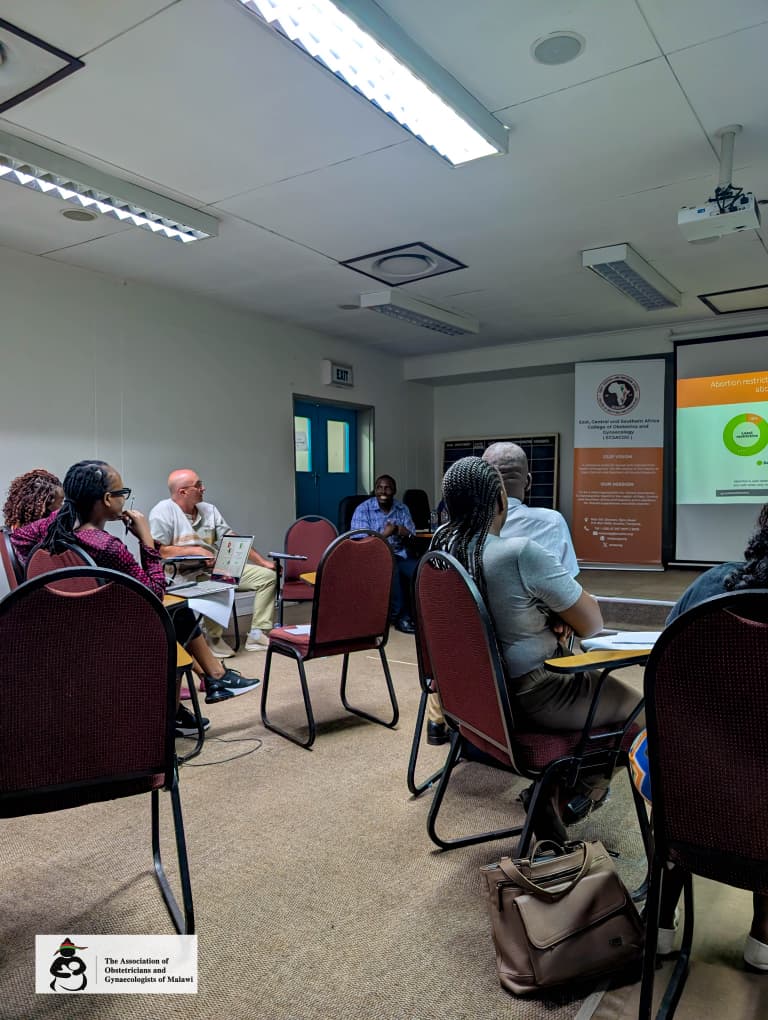
Dr Henry Phiri (Deputy Director of Reproductive Health in the Ministry of Health and Sanitation) participating in one of the sessions.
Looking ahead, AOGM emphasized the importance of sustainability and scale-up. Ensuring that the knowledge and skills gained are effectively translated into practice at facility level remains a priority. Strengthening mentorship systems, supporting local champions, and institutionalizing simulation-based training within district health systems will be critical to maintaining momentum and achieving long-term impact.
Through its involvement in this initiative, AOGM continues to reinforce its leadership role in promoting high-quality obstetric and gynecological care in Malawi, working alongside partners to build a resilient and responsive health system.
Check out some of the pictures below from the FIGO Conference
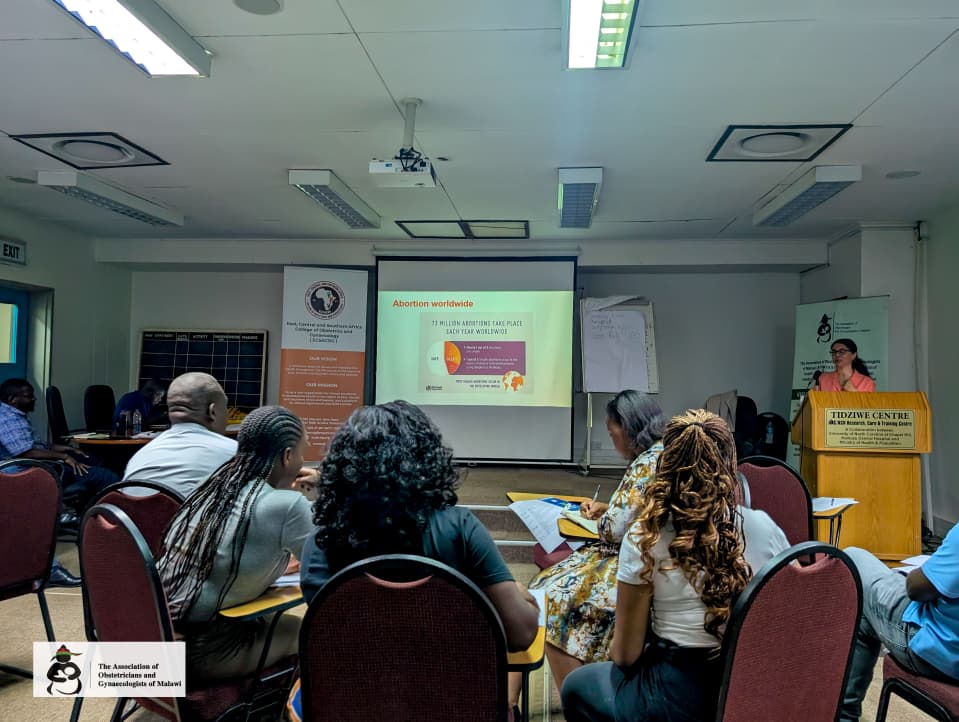
Dr. Owen Chikhwaza (Director of Reproductive health and AOGM member) giving his remarks
The workshops also reflected evolving global guidance from the World Health Organization (WHO), including enhanced focus on newborn care under the Every Woman Every Newborn Everywhere (EWENE) initiative. Updated recommendations include clearer definitions of EmONC service levels, strengthened referral systems, revised signal functions, and improved standards for maternal and newborn care.