English
 KR
KR  IA
IA  JP
JP 
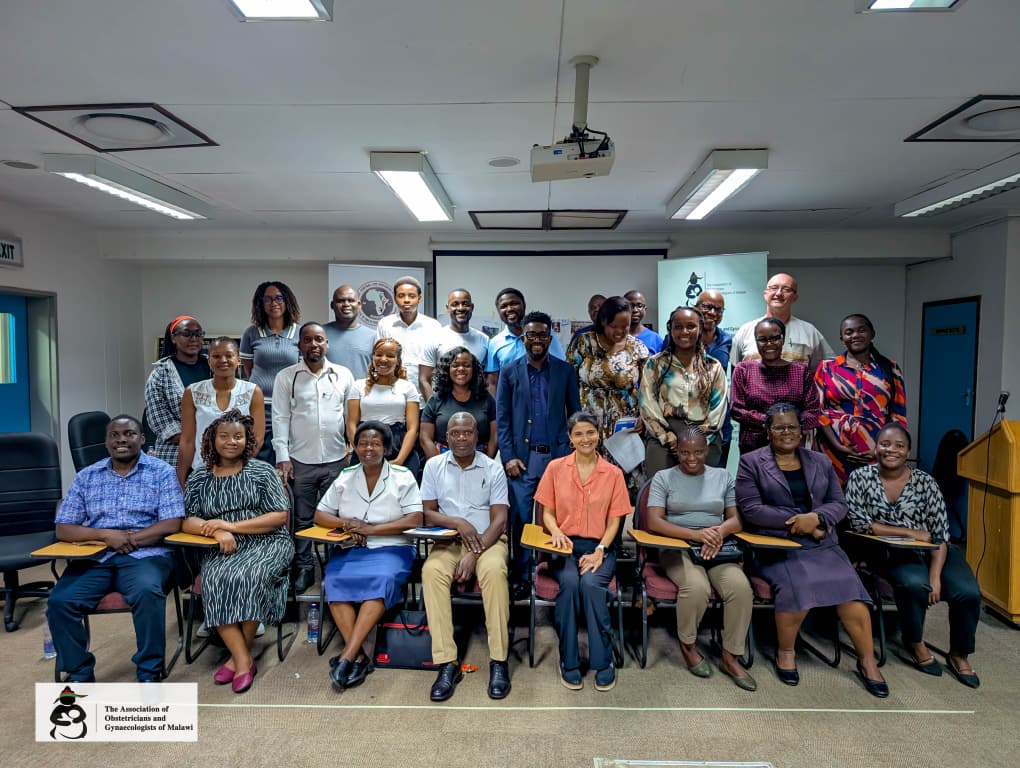
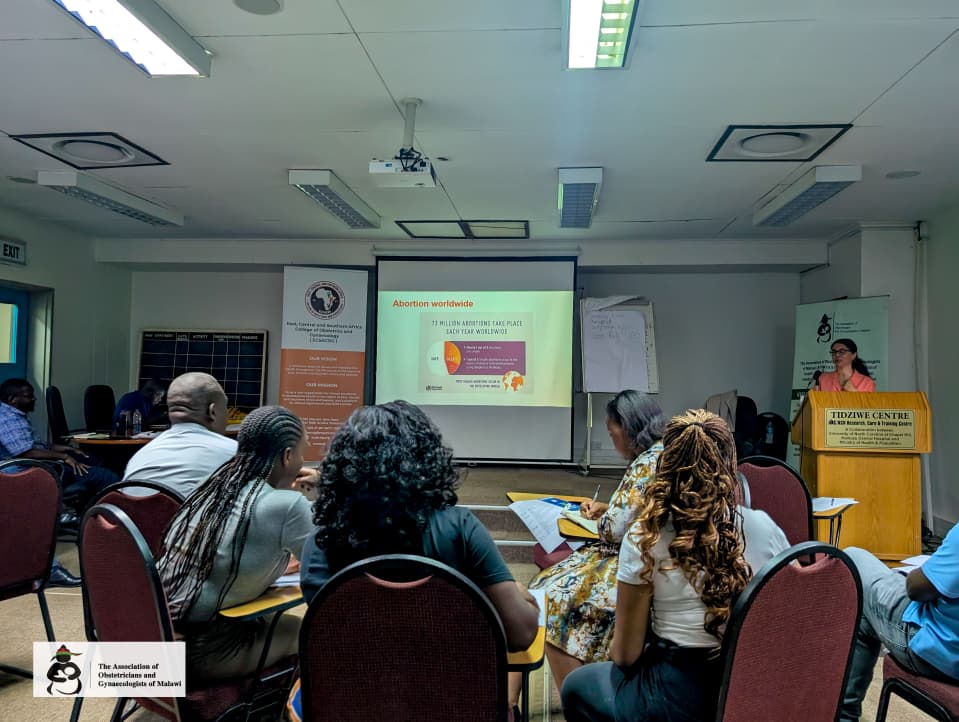
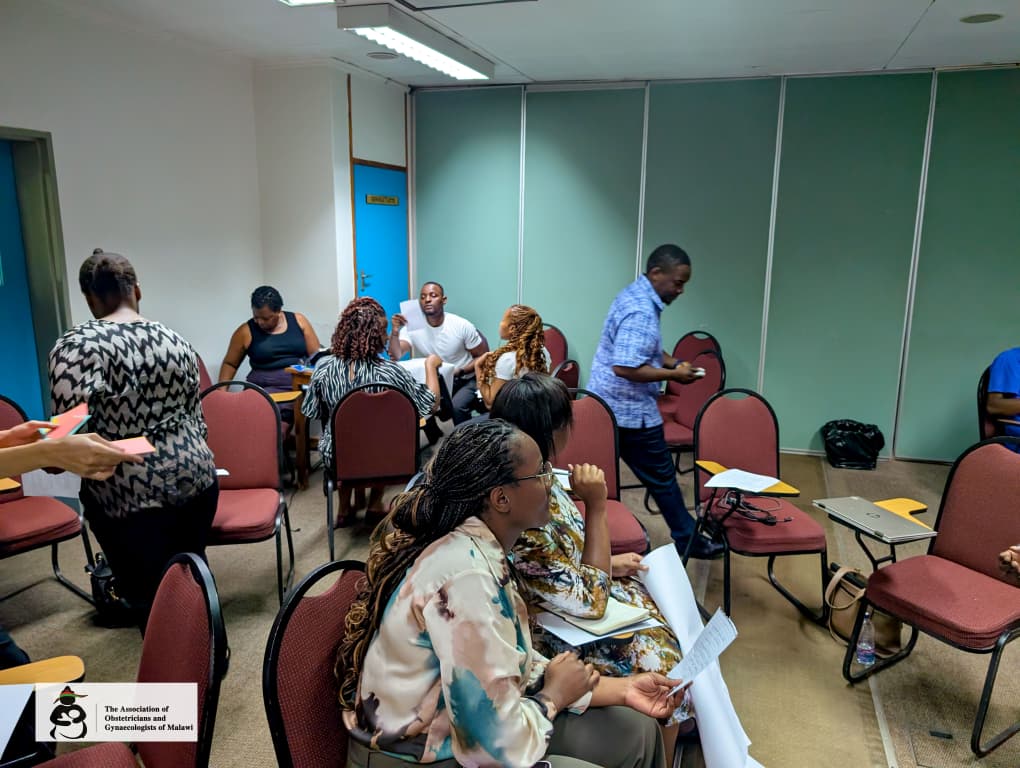
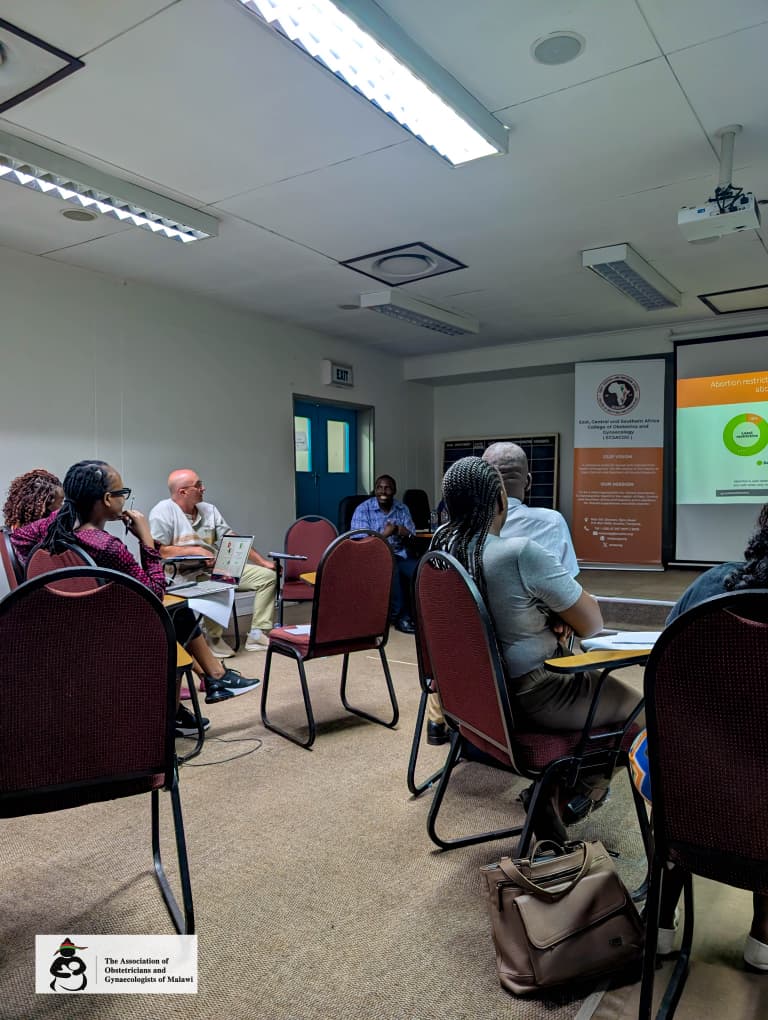
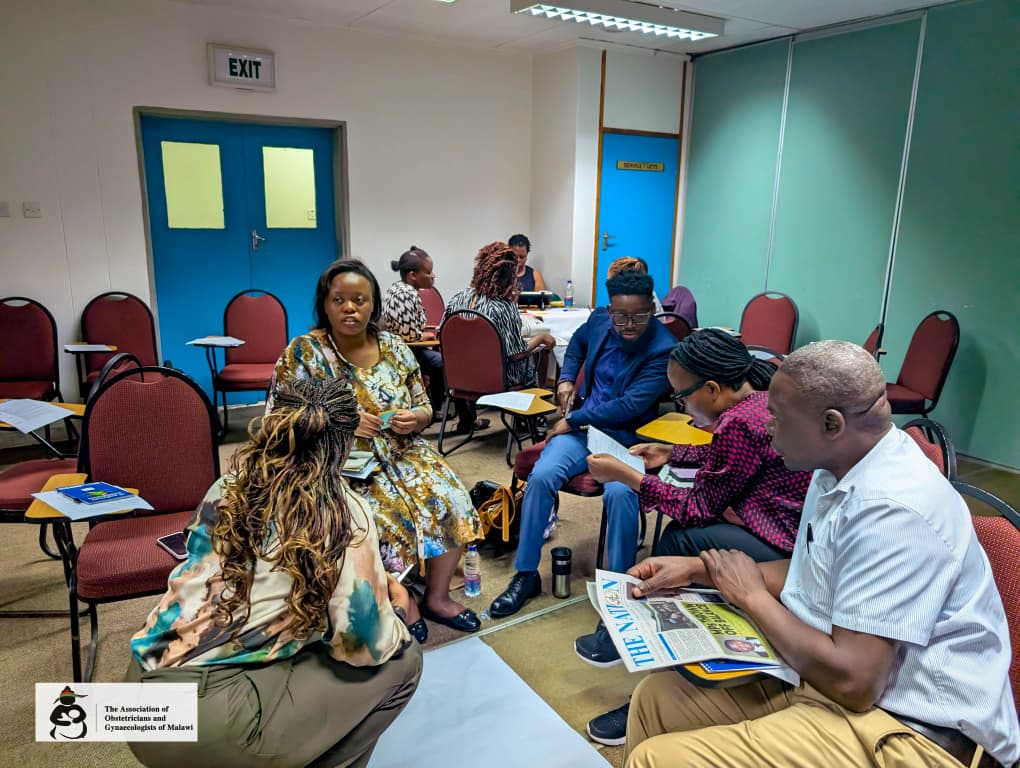
The Association of Obstetricians and Gynaecologists of Malawi (AOGM) actively participated in the National Technical Orientation on revised Emergency Obstetric and Newborn Care (EmONC) levels of care and signal functions, as well as the District Prioritization Workshops to Optimize the EmONC Network in Malawi. Several AOGM members (Dr. Friday Saidi , Dr Martha Masamba, Dr. Owen Chikhwaza and Dr. Pempho Nyangulu) were actively engaged in the discussions, contributing technical expertise and insights to shape the future of maternal and newborn care in the country.
Maternal and newborn health remains a central priority within Malawi’s health sector under the leadership of the Ministry of Health Malawi and in alignment with national and global commitments. Over the past two decades, Malawi has made significant progress, achieving near-universal access to facility-based childbirth, with approximately 96–97% of deliveries occurring in health facilities according to the 2024 Malawi Demographic and Health Survey (MDHS).
Dr. Friday Saidi (AOGM President) contributing to the discussions
Despite these gains, maternal and newborn outcomes remain a concern. The maternal mortality ratio is estimated at 224 deaths per 100,000 live births, neonatal mortality at 24 deaths per 1,000 live births, and stillbirth rates at 18 per 1,000 total births. These figures highlight that access alone is not enough—quality, timely, and functional emergency care is essential.
The discussions emphasized the importance of strengthening Emergency Obstetric and Newborn Care (EmONC) services, particularly ensuring that facilities are fully functional and supported by efficient referral systems. Findings from the 2020 national EmONC assessment revealed substantial gaps in service readiness, including shortages in skilled personnel, infrastructure, equipment, and essential supplies.
To address these gaps, updated national EmONC data for 2024—supported by the United Nations Population Fund (UNFPA)—has been developed, integrating DHIS2 service delivery data and district-level human resource updates. This provides a stronger evidence base for planning and decision-making.
Dr. Owen Chikhwaza (Director of Reproductive health and AOGM member) giving his remarks
The workshops also reflected evolving global guidance from the World Health Organization (WHO), including enhanced focus on newborn care under the Every Woman Every Newborn Everywhere (EWENE) initiative. Updated recommendations include clearer definitions of EmONC service levels, strengthened referral systems, revised signal functions, and improved standards for maternal and newborn care.
With support from UNICEF, WHO, and UNFPA, the Ministry of Health is implementing a phased process to optimize Malawi’s EmONC network. This includes prioritizing strategically located health facilities to provide 24/7 services and ensure access to life-saving care within one hour of travel time.
AOGM remains committed to supporting national efforts to improve maternal and newborn health outcomes by contributing clinical expertise, advocating for quality care, and strengthening health systems across Malawi.
Check out some of the pictures below from the FIGO Conference
Dr. Owen Chikhwaza (Director of Reproductive health and AOGM member) giving his remarks
The workshops also reflected evolving global guidance from the World Health Organization (WHO), including enhanced focus on newborn care under the Every Woman Every Newborn Everywhere (EWENE) initiative. Updated recommendations include clearer definitions of EmONC service levels, strengthened referral systems, revised signal functions, and improved standards for maternal and newborn care.