English
 KR
KR  IA
IA  JP
JP 
The Association of Obstetricians and Gynaecologists of Malawi (AOGM) congratulates Prof. Luis Gadama, an AOGM member, and the Malawi-Liverpool-Wellcome Programme (MLW) Maternal and Neonatal Health Group for successfully conducting and disseminating the findings of the Active Prevention and Treatment of Maternal Sepsis (APT-Sepsis) Trial.
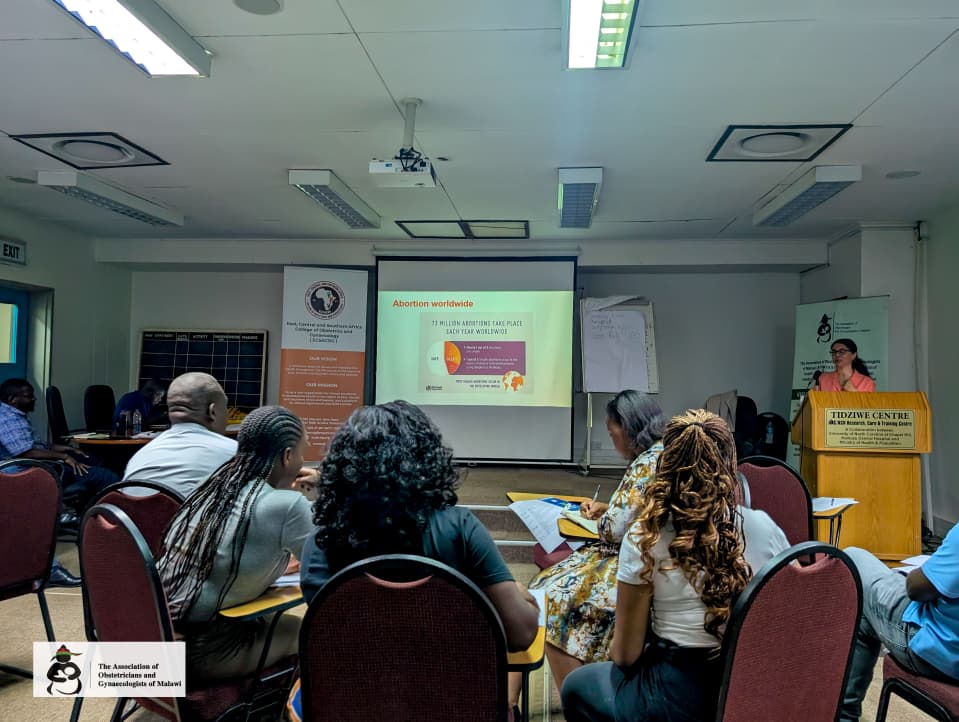
Prof Luis Gadama presenting at the dissemination
The landmark study examined how a practical package of infection prevention and early treatment could reduce maternal deaths and severe illness caused by infections during pregnancy and childbirth. The study was conducted across 59 health facilities in Malawi and Uganda and included more than 430,000 births, making it one of the largest maternal health studies of its kind in the region.
Results from the study showed that health facilities implementing the APT Sepsis approach achieved a 32% reduction in infection-related maternal deaths and severe illness compared to facilities providing usual care. The intervention focused on strengthening hand hygiene and infection prevention, improving early detection of sepsis, and introducing the FAST-M treatment bundle, which includes Fluids, Antibiotics, Source control, Transfer, and Monitoring.
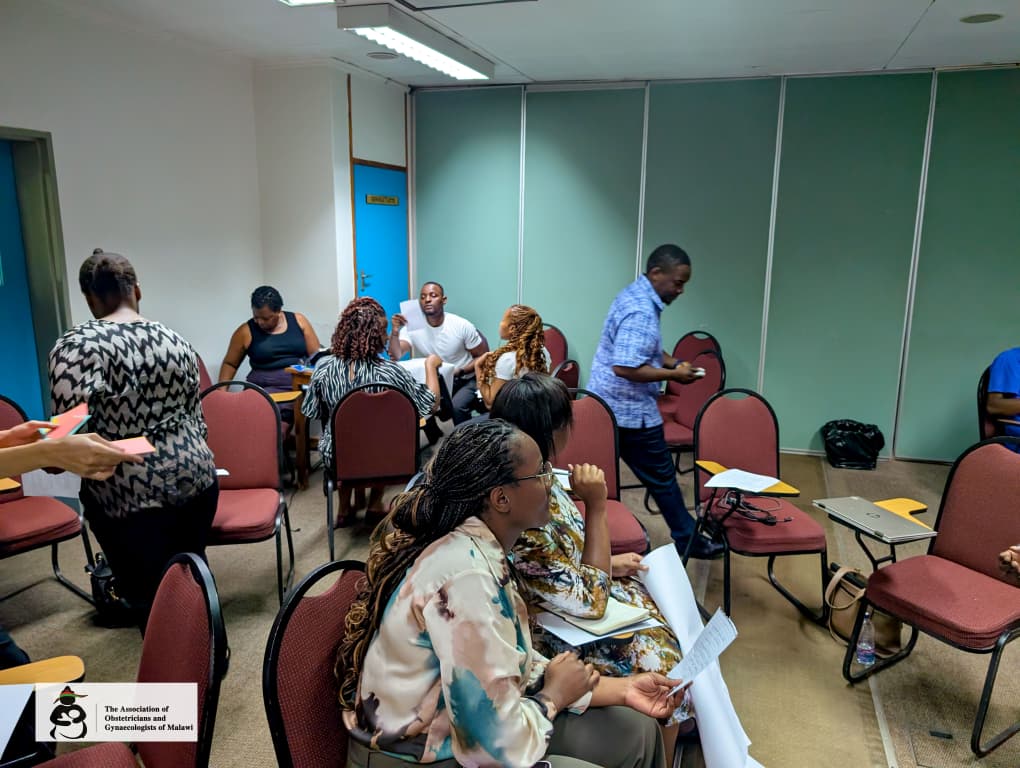
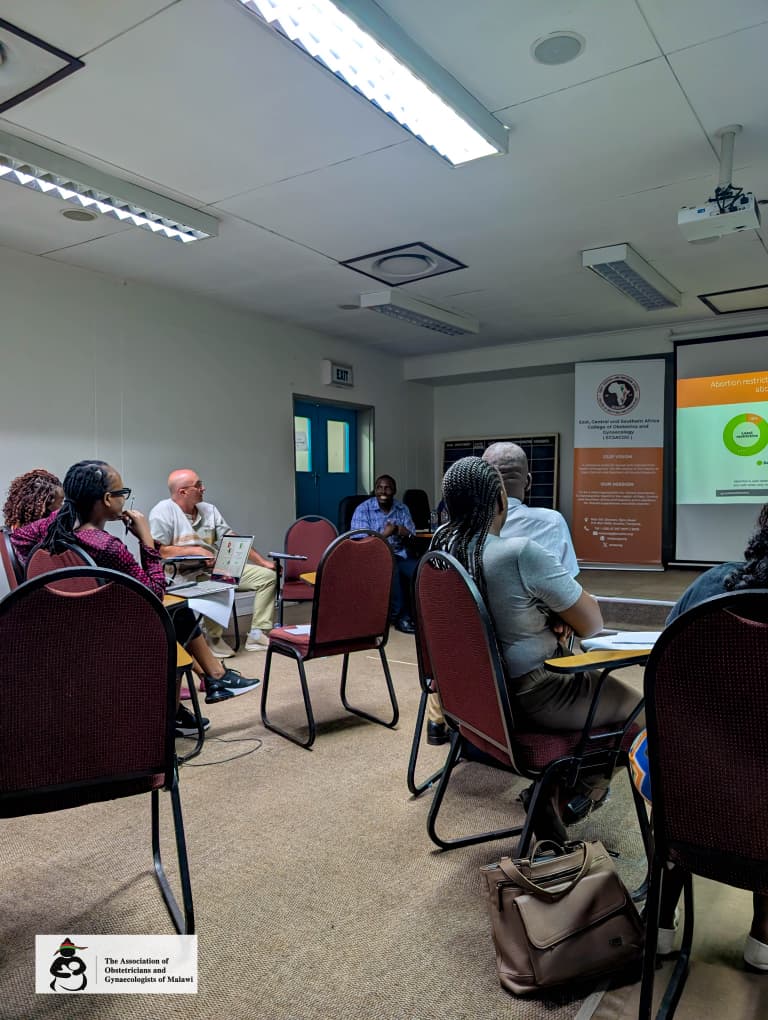
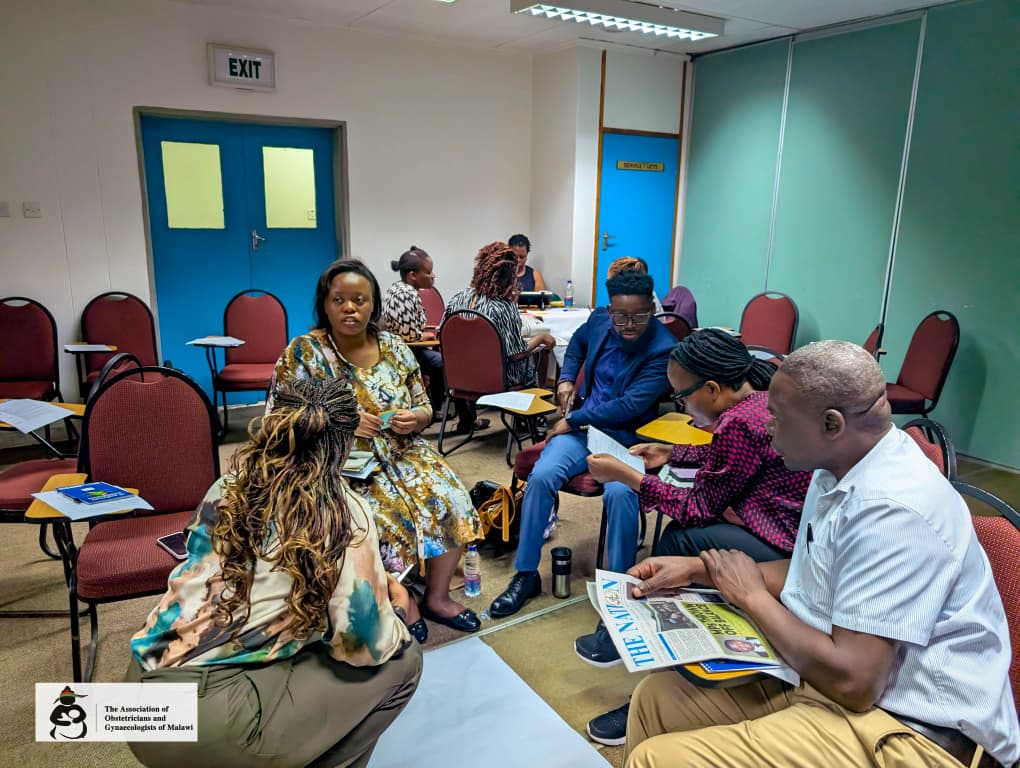
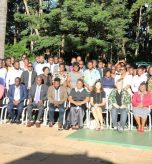
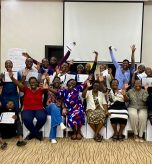
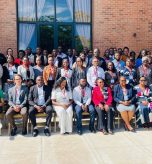
The findings were recently shared during a high-level dissemination meeting in Lilongwe, hosted by the MLW Maternal and Neonatal Health Group. The meeting brought together policymakers, clinicians, and development partners to review the evidence and discuss how these findings can help improve maternal health outcomes in Malawi.
Dr. Friday Saidi, AOGM President giving his insights during the dissemination
Speaking during the event, Dr. Judith Mkwaila emphasized the importance of the study for national policy and maternal health programs. She noted that the research demonstrates how practical, cost-effective approaches to infection prevention and early sepsis care can save mothers’ lives.
The APT-Sepsis study highlights the importance of strengthening infection prevention practices and ensuring rapid response to maternal infections within health facilities. These findings provide valuable evidence to guide policies and interventions aimed at reducing maternal deaths in Malawi and across the region.
AOGM congratulates Prof. Luis Gadama and the MLW research team for their leadership and contribution to advancing maternal health research. We look forward to further discussions on these important findings at the next AOGM Annual Scientific Conference.
For more information and highlights from the study, visit